Occasionally, guests request tour cancellations, even after the stated cancellation policy. Recognize that denying a refund request can have consequences. To prevent misunderstandings and potential disruptions, this article guides affiliates on how to handle tour cancellations effectively.
Understanding the Refund Request Process
Before we go into the details of tour cancellations, it's important to understand the refund request process. TourDesk suppliers have specific cancellation policies in place that outline the deadlines and conditions for cancellations and refunds. You can see them in the Sales Portal for each tour.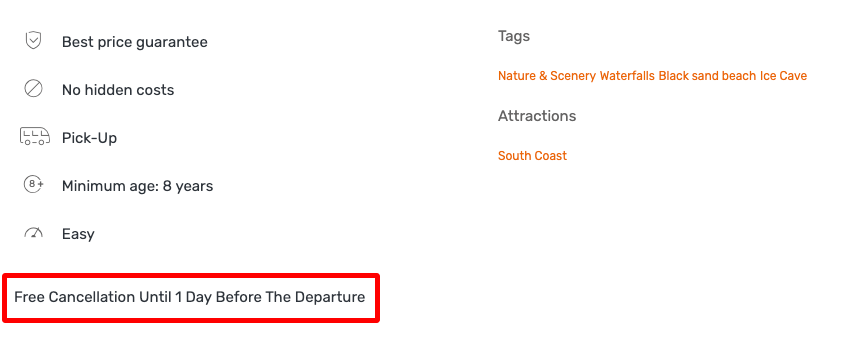
When cancelling a tour within the cancellation period, the process is straightforward.
How to request a refund in the Agent System
Log in to the TourDesk Agent System at www.agent.tourdesk.io
Click Orders in the left-hand side menu and find the booking you wish to cancel
Click the order ID; it looks like this: 653125
Click Cancel / Refund
Add a cancellation reason
Implications of Denying a Refund Request
One common misconception among guests is that a refund request denial translates to an automatic tour cancellation. This assumption can lead to confusion and frustration for both guests and tour operators. It's crucial to tell guests that denying a refund request typically means the tour reservation remains active, and the operator expects them to attend as planned.
The Risk of Guest No-Shows
Poor communication can lead to guests not showing up for their tours. This not only leaves tour operators with vacant seats but also disrupts their scheduling and planning.
Strategies for Preventing Misunderstandings
To prevent misunderstandings and ensure a smooth cancellation process, consider the following:
Clear Communication: When guests request tour cancellations, ensure that their intentions are communicated clearly and promptly. Use email or a phone call to notify the tour operator directly.
Confirmation of Reservation Status: Even if a refund request is denied, guests should not assume their tour is automatically canceled. It's essential to verify the reservation status with the tour operator.
Encourage Questions: If guests have concerns or doubts about their tour reservations, encourage them to reach out to the tour operator for clarification. The operator can provide insights into the specific situation and explore potential alternatives.
Clear communication is the key to preventing misunderstandings that can lead to tour cancellations and guest frustrations. Always remind guests that a refund request denial does not automatically mean their tour is canceled. Encourage them to reach out to you for clarification to guarantee a harmonious travel experience for everyone involved. By following these guidelines, you can contribute to enhancing the overall guest experience at your establishment.
Was this article helpful?
That’s Great!
Thank you for your feedback
Sorry! We couldn't be helpful
Thank you for your feedback
Feedback sent
We appreciate your effort and will try to fix the article